

From the first line parameters to final production release, TAG follows a controlled engineering process that connects real operating conditions, design requirements, physical testing, and manufacturing traceability.
Understand the Line
The design brief begins with the line itself. Voltage level, conductor type, bundle geometry, and environmental conditions establish the performance requirements for the hardware before detailed engineering begins.
Defined line operating conditions for use in load analysis
Analyze Loads
Mechanical, electrical, and environmental forces are analyzed to determine the loads each component must safely withstand throughout its intended service life.
Load cases, safety factors, and mechanical design requirements
Design Components
Component geometry, material selection, and manufacturing method are developed together, so performance, reliability, and compatibility are maintained across the complete assembly, not just in individual parts.
Approved engineering drawings and manufacturing specifications, submitted for customer approval where required
Prototype & Verify
Prototypes are built and tested to confirm that the design performs as intended. Verification asks whether the component behaves in practice as the engineering calculations and design requirements predict.
Test reports, verified performance, and design refinements where required
Validate Performance
Validation confirms that the component meets applicable standards and the customer’s specified requirements, not only the original design intent. Type testing is completed as required, witnessed where applicable, and documented to demonstrate compliance.
Type-test reports and, where applicable, type-test certificates, compliance documentation, and customer approval where required.
Release for Production
Only validated designs enter controlled manufacturing. Every stage follows documented processes designed to ensure repeatability, traceability, and consistent quality.
Production release, manufacturing package, and a fully traceable product.
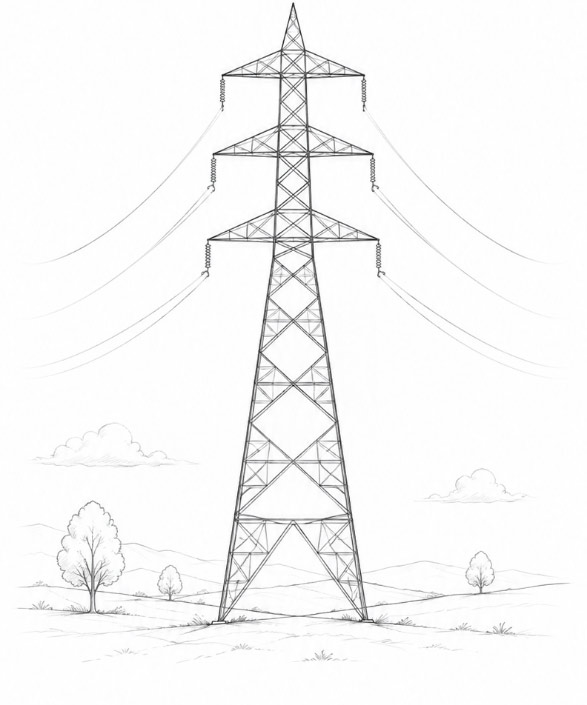
In-House Manufacturing Excellence
Every critical process, from forging to galvanizing, happens within our own plants in Chennai, all located within a ten kilometre radius. This vertical integration means shorter lead times, complete traceability, and quality that is controlled at the source rather than inspected at the gate.
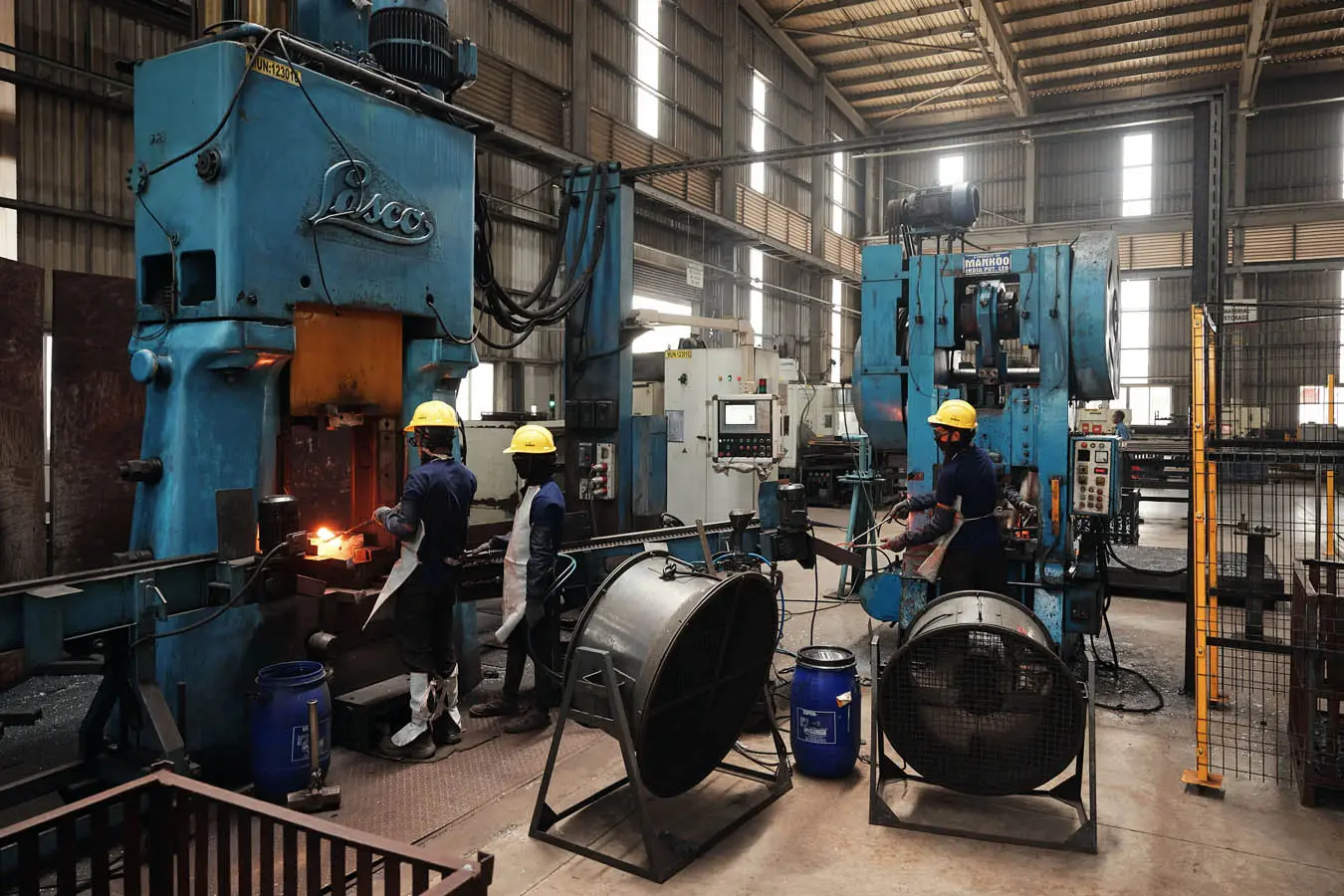
High strength steel components formed under heat and pressure using CNC hammers, delivering the grain structure and mechanical strength that transmission hardware demands.
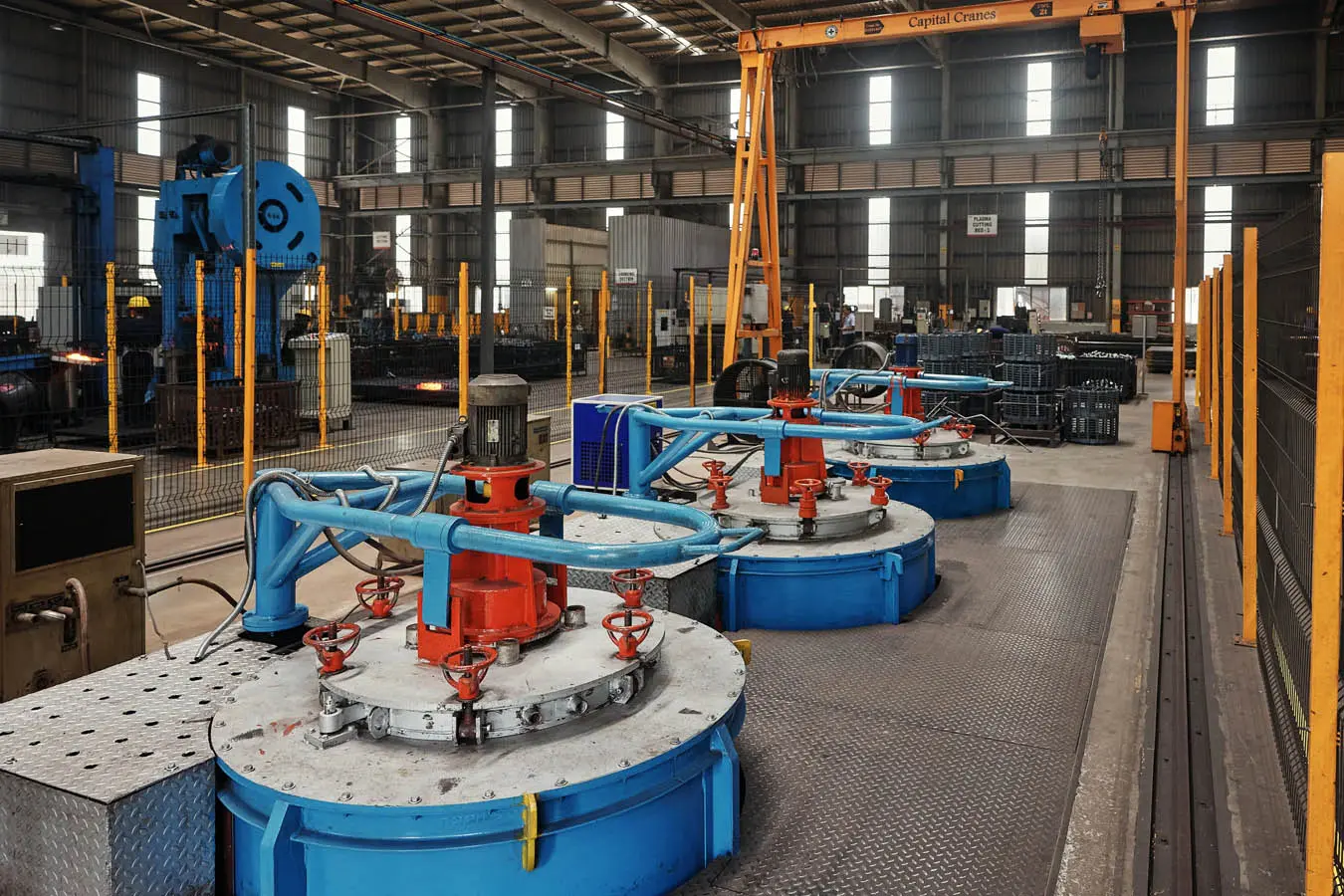
Controlled normalizing cycles that refine grain structure and relieve internal stresses, giving each forged component consistent strength and toughness.
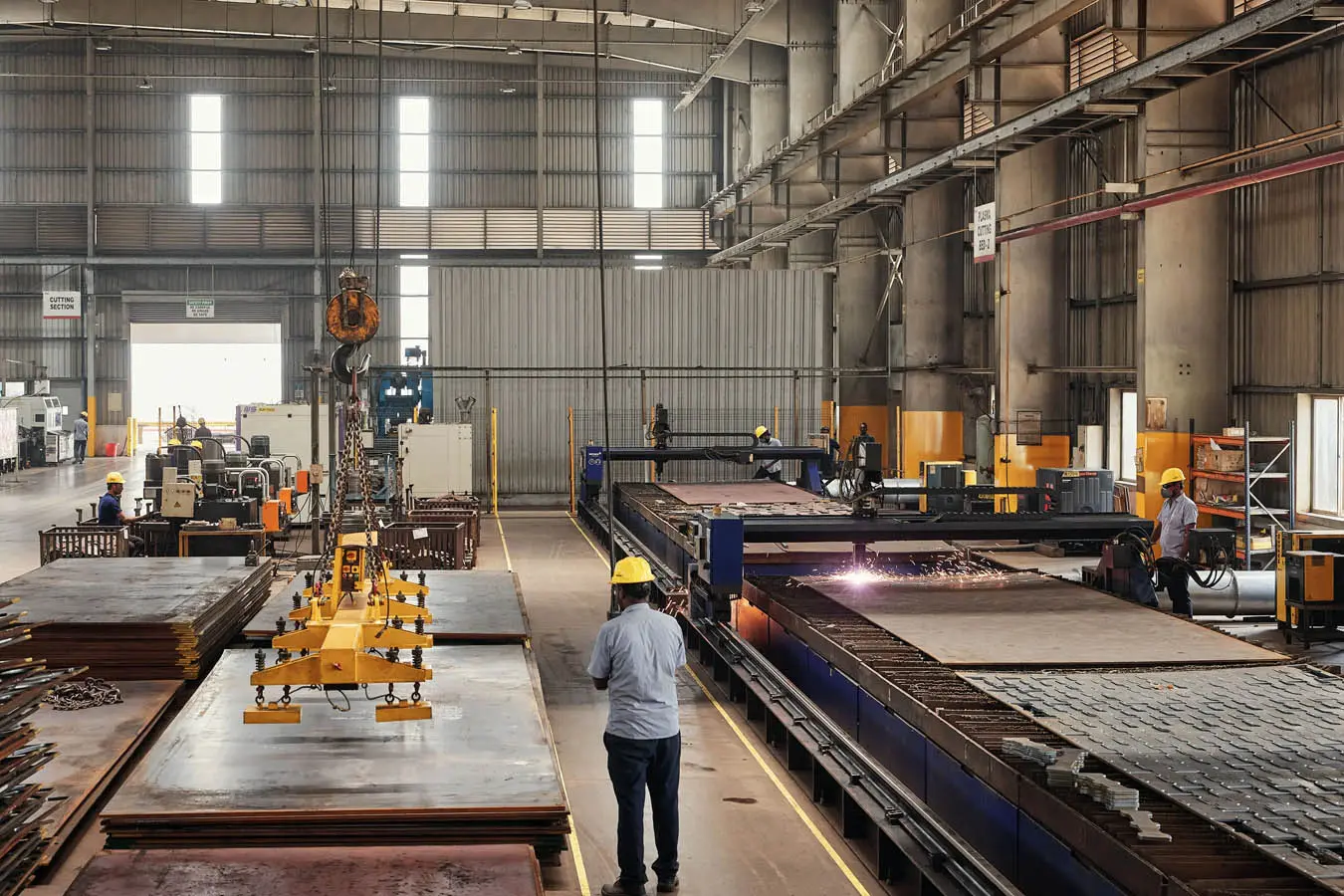
Precision cutting of steel plates and sections, preparing accurate blanks for fabrication and machining.
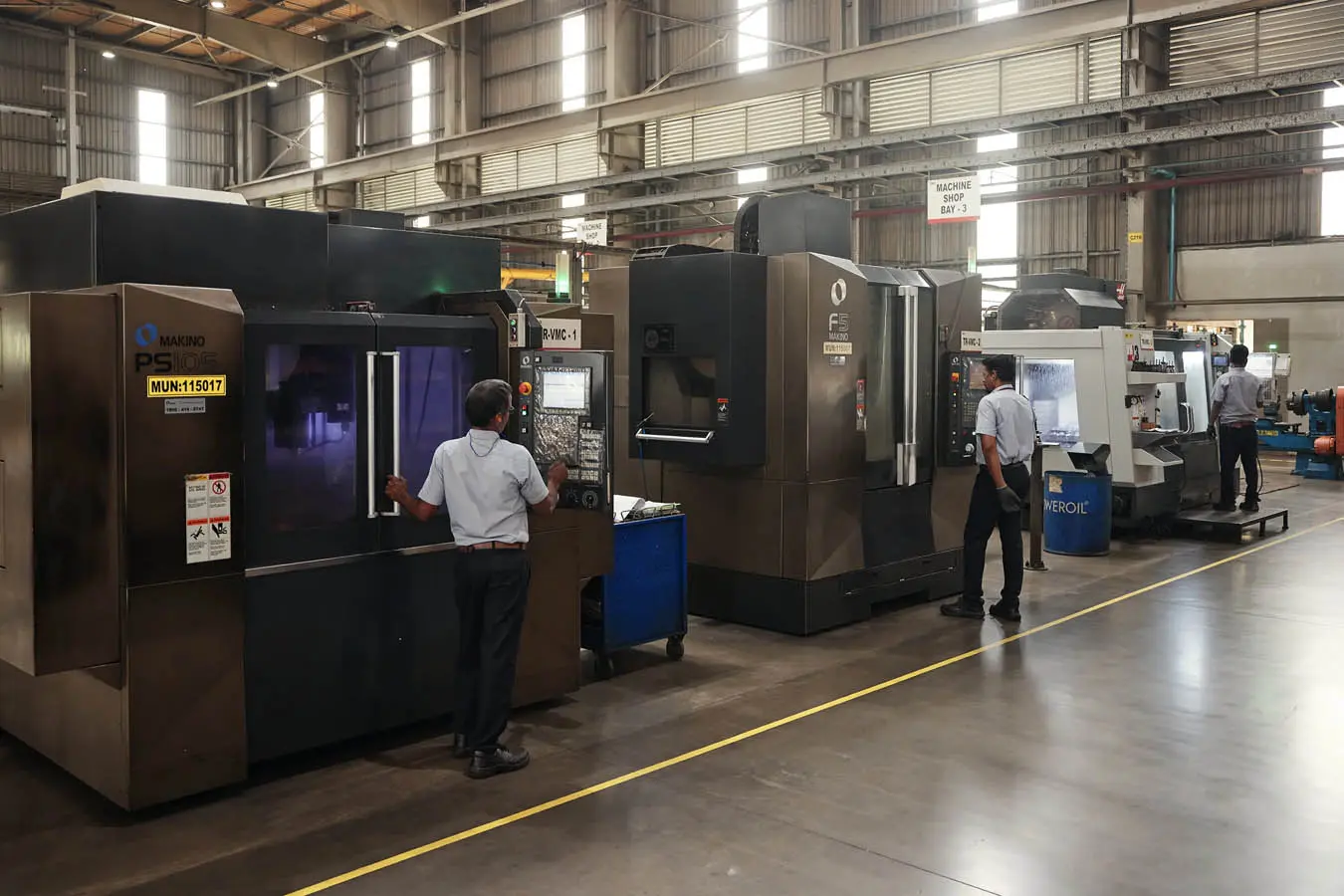
CNC and VMC machining centres holding close tolerances across high production volumes, ensuring every component fits and functions exactly as designed.
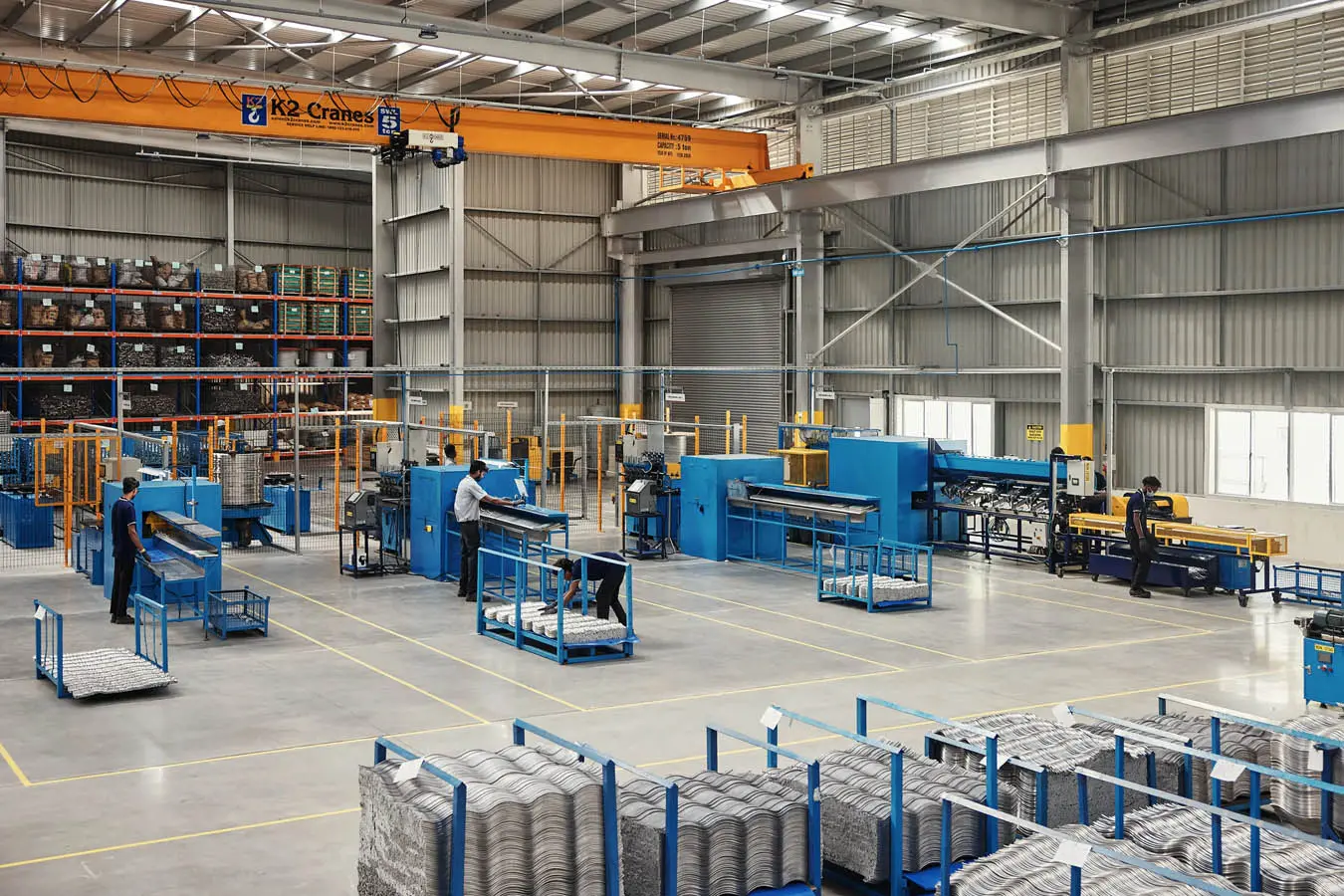
Manufacture of aluminium and galvanised steel helical rods for suspension clamps, dead ends and spacer dampers.
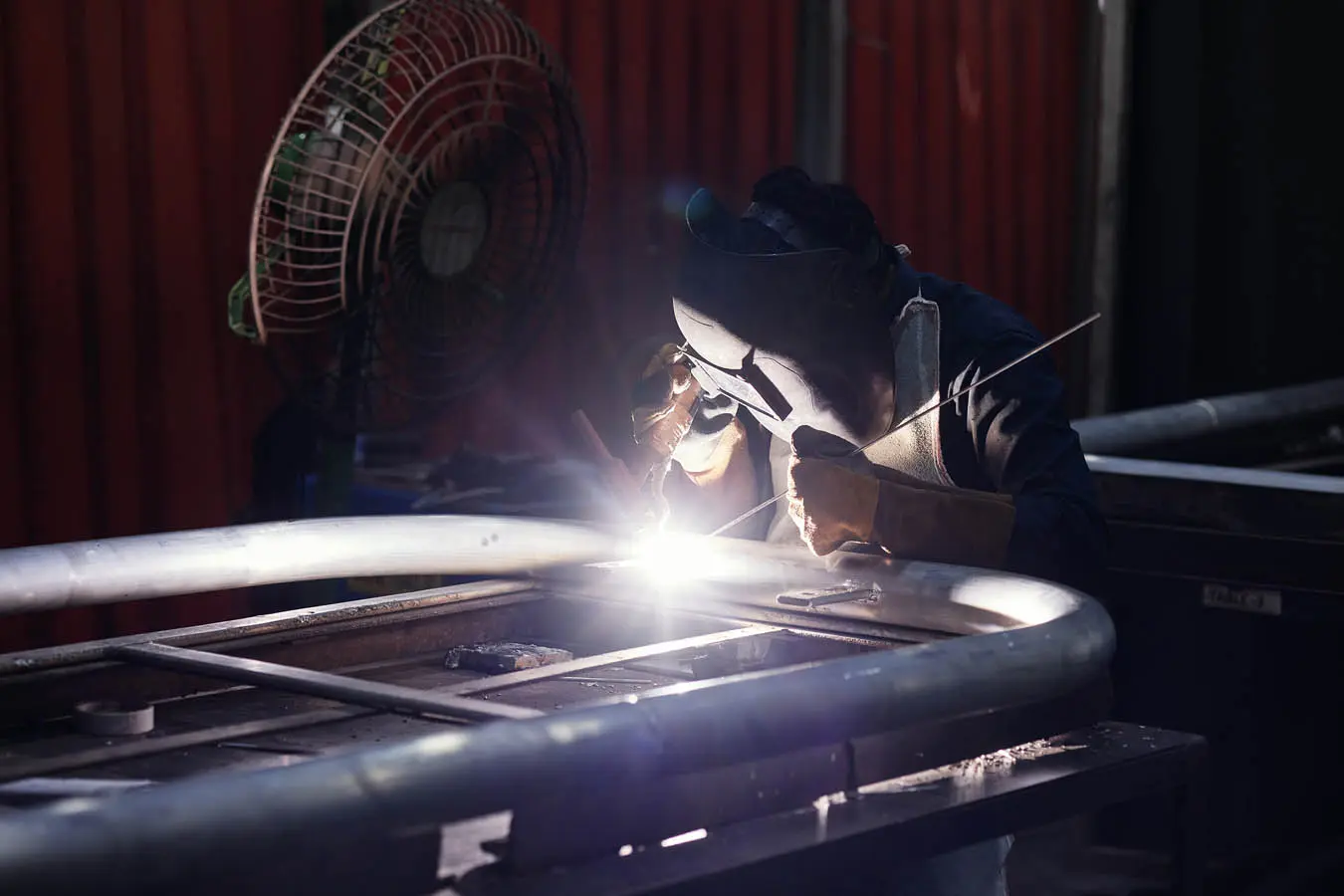
Fabrication and welding of aluminium components including dead ends for conductor termination, and corona control rings and grading rings that manage electric field distribution on high voltage strings.
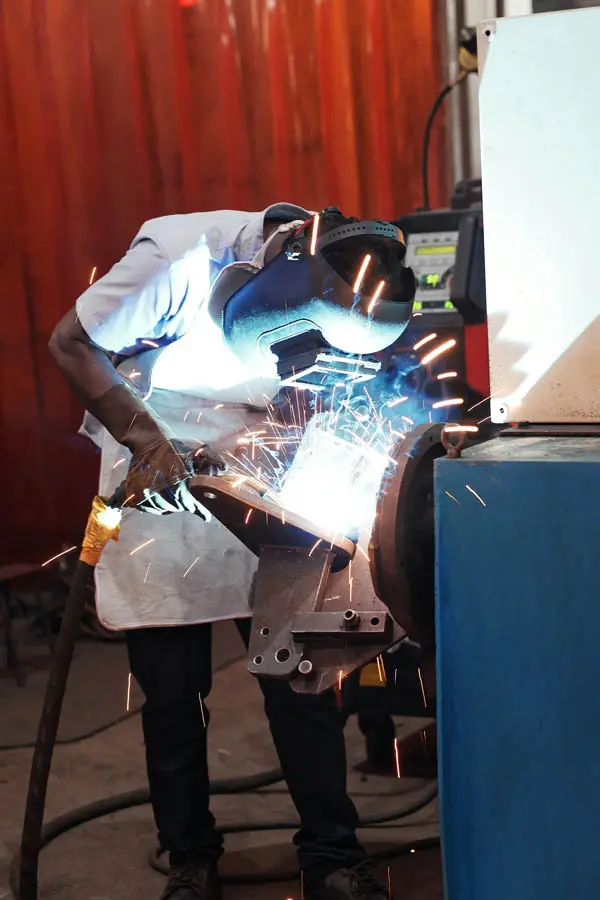
Fabrication ranging from welding of steel rings to arcing horns, built to the same standard as every forged and machined part.
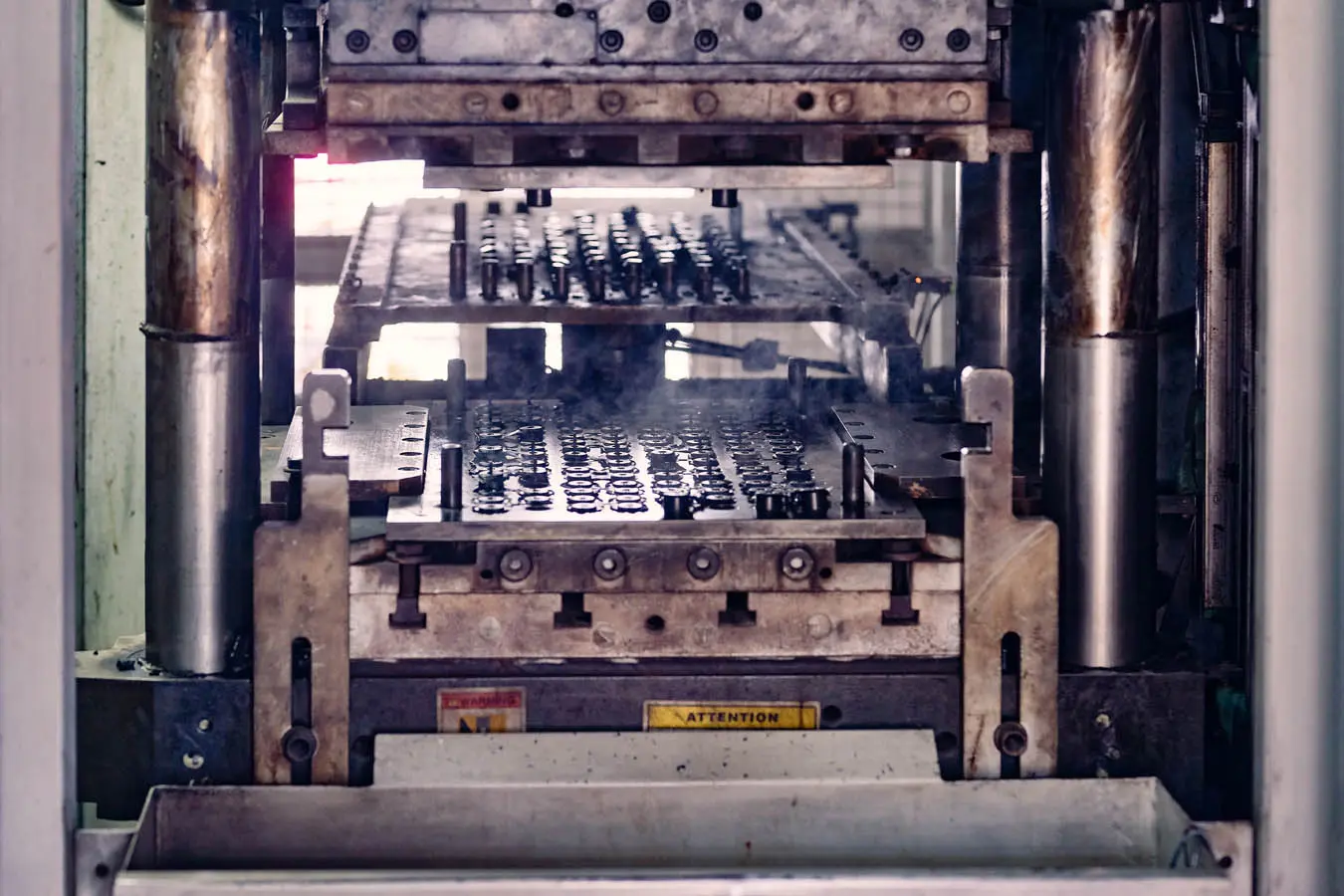
In house rubber compounding and moulding for spacer dampers and suspension clamps, ensuring consistent elastomer properties in every component.
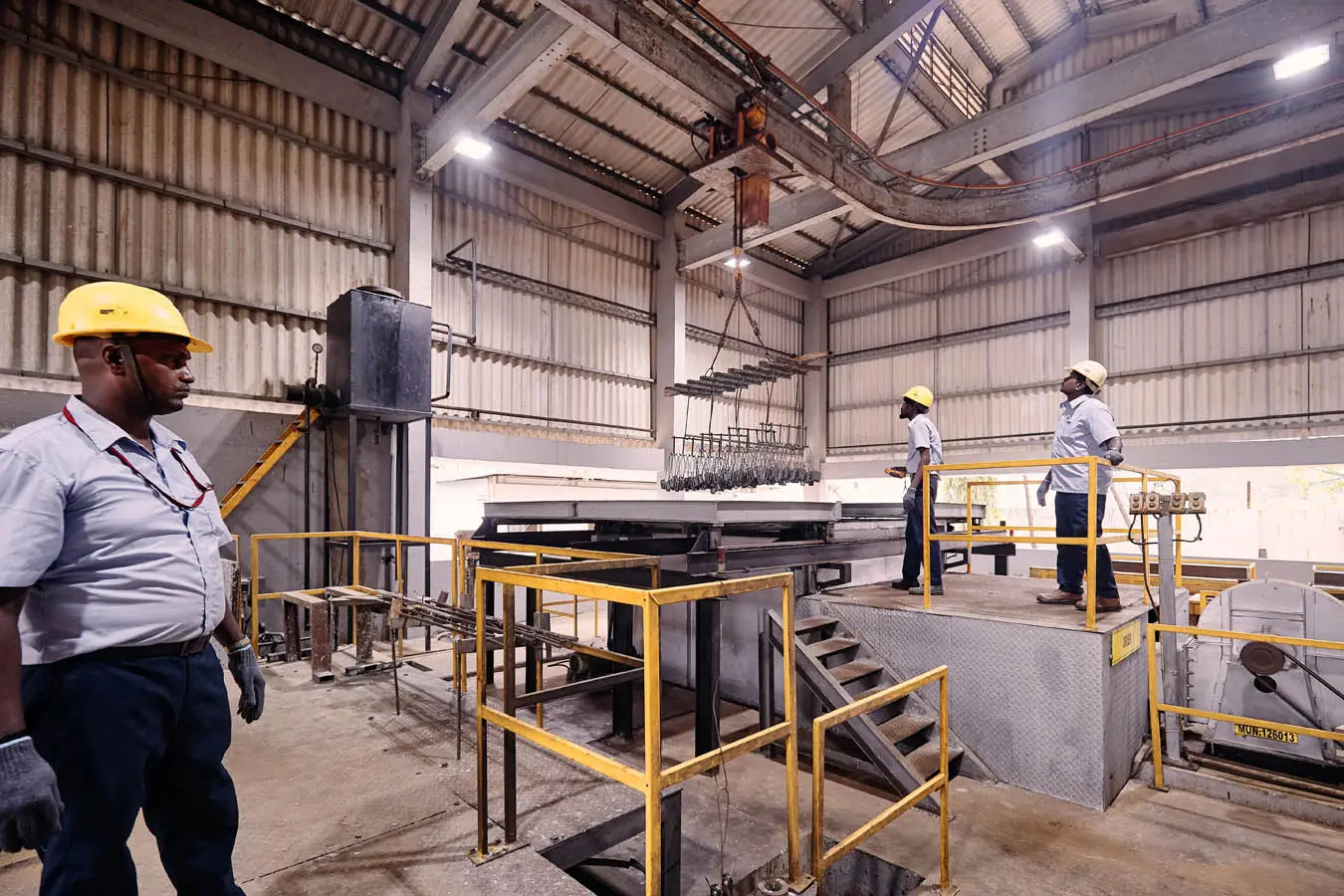
Hot dip galvanizing providing long term corrosion protection, executed in house for complete control over coating quality.
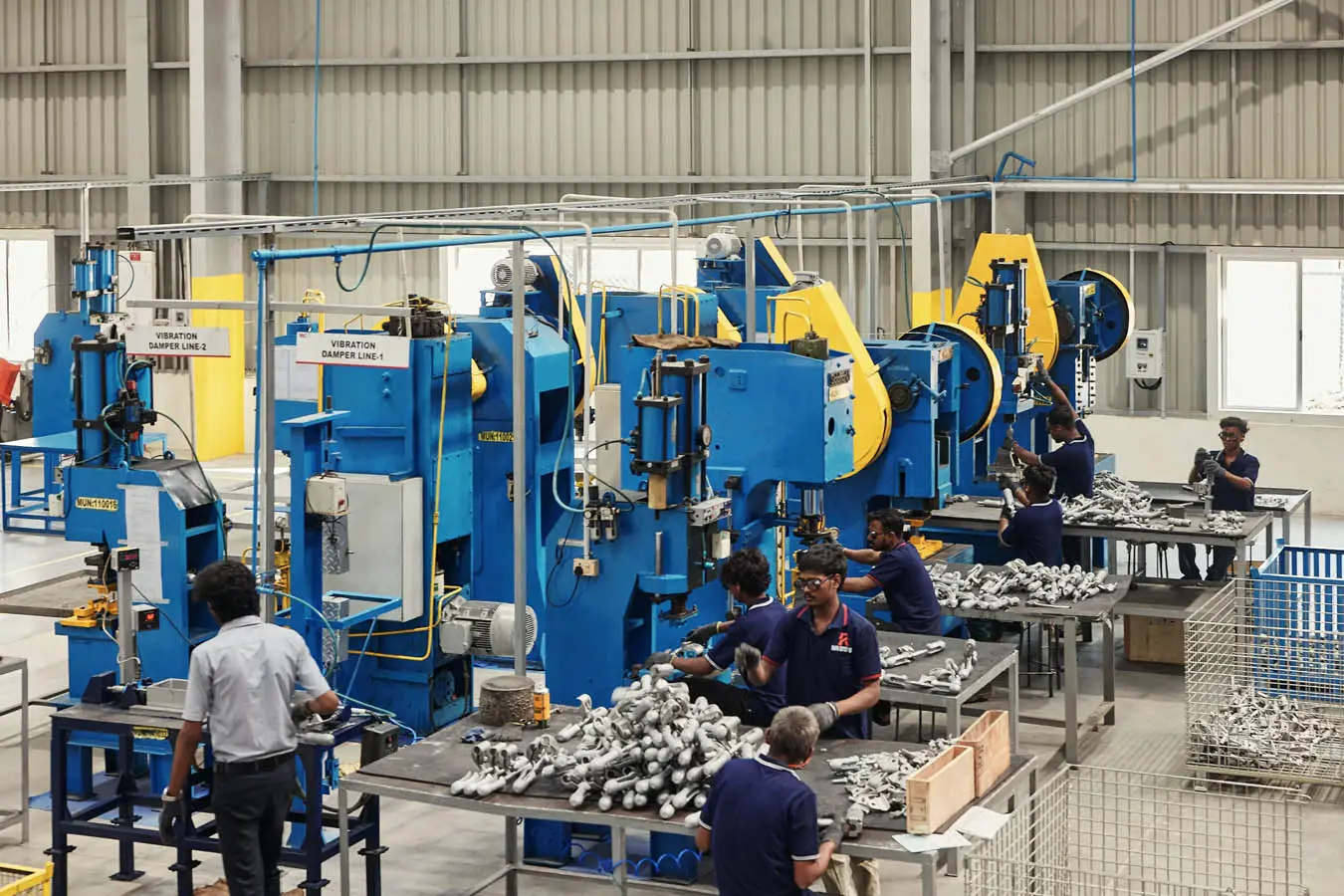
Final assembly of spacer dampers, hardware fittings and vibration dampers, with every unit checked against specification before despatch.
Tested here. Trusted everywhere.
A transmission line is only as reliable as the proof behind it. Before a conductor enters service anywhere in the world, its performance must be demonstrated, measured, documented and verified by a laboratory the industry can rely on. That is the role TAG has served for five decades, an impartial testing partner whose reports carry weight with utilities, contractors and manufacturers alike.
Tensile, proof load, fatigue, bending, torsion and more
Tensile, proof load, fatigue, bending, torsion and more
Tensile, proof load, fatigue, bending, torsion and more
Tensile, proof load, fatigue, bending, torsion and more
Tensile, proof load, fatigue, bending, torsion and more
Tensile, proof load, fatigue, bending, torsion and more
Quality Control at Every Stage
Quality at TAG is not a final inspection, it is a system that runs through the entire plant. Every component is checked, measured and documented at each stage of production, from the moment raw material arrives to the moment the packed box leaves for site, with our ISO/IEC 17025 accredited laboratory supporting verification at every step
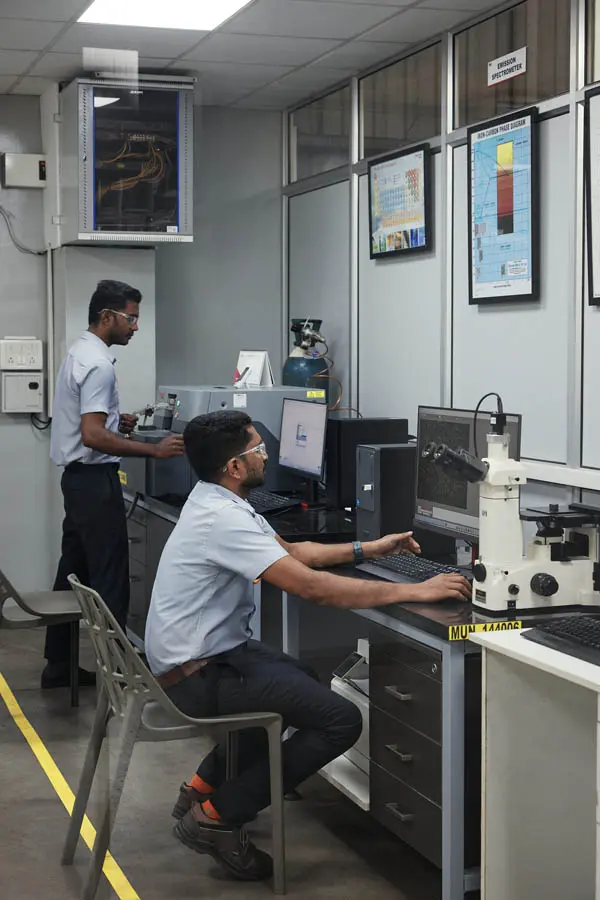
Every batch of raw material is verified before entering production: spectrochemical analysis confirms chemical composition against standards, alongside mechanical property verification of incoming stock.
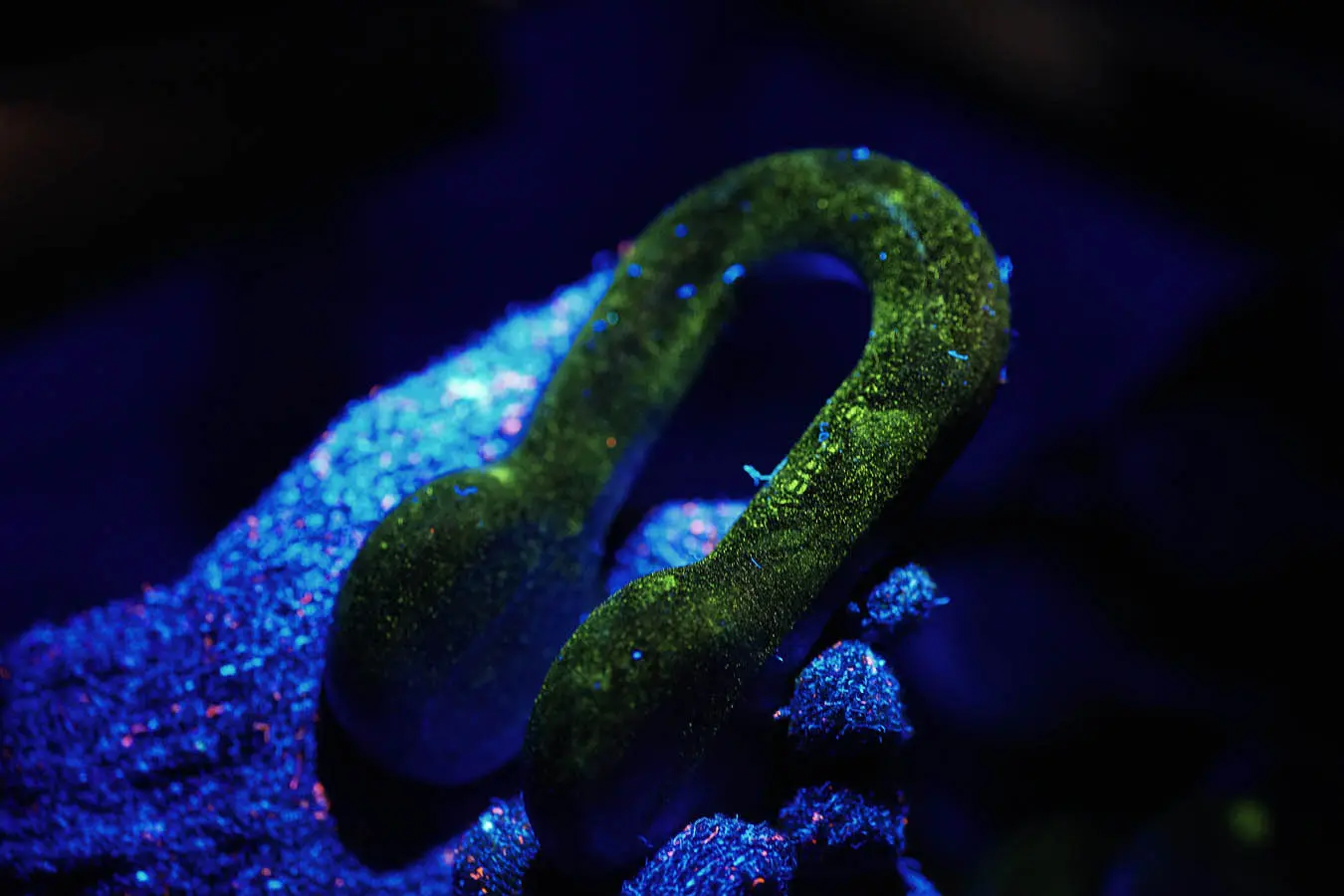
Checks continue through manufacturing: magnetic particle inspection on forgings, dye penetrant testing on welded rings, grain structure analysis, porosity checks, coating thickness verification, and proof loading of forged components before they move to the next stage.
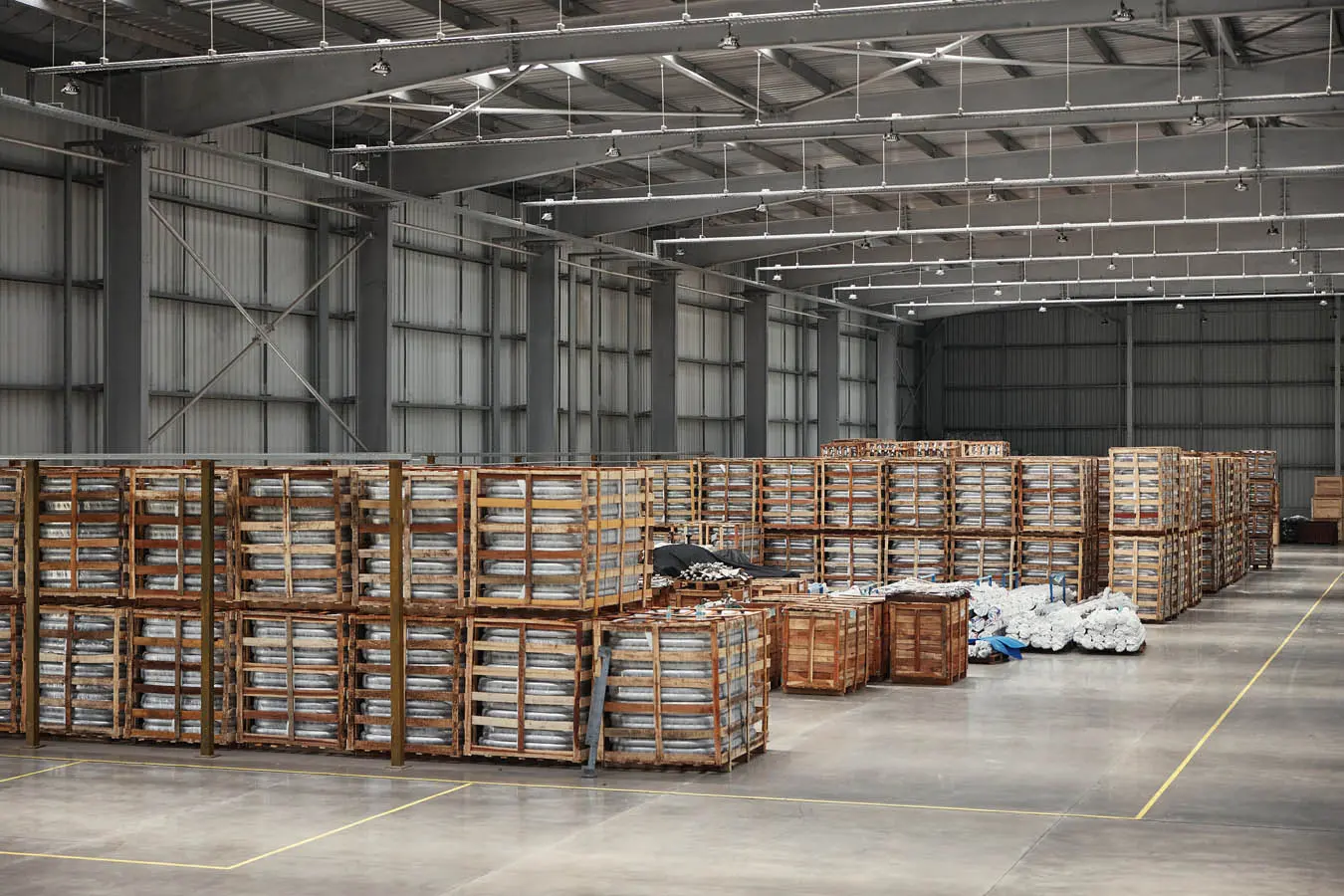
Before packing, every component is inspected and verified against specification, ensuring no box leaves the plant with an unchecked part inside.
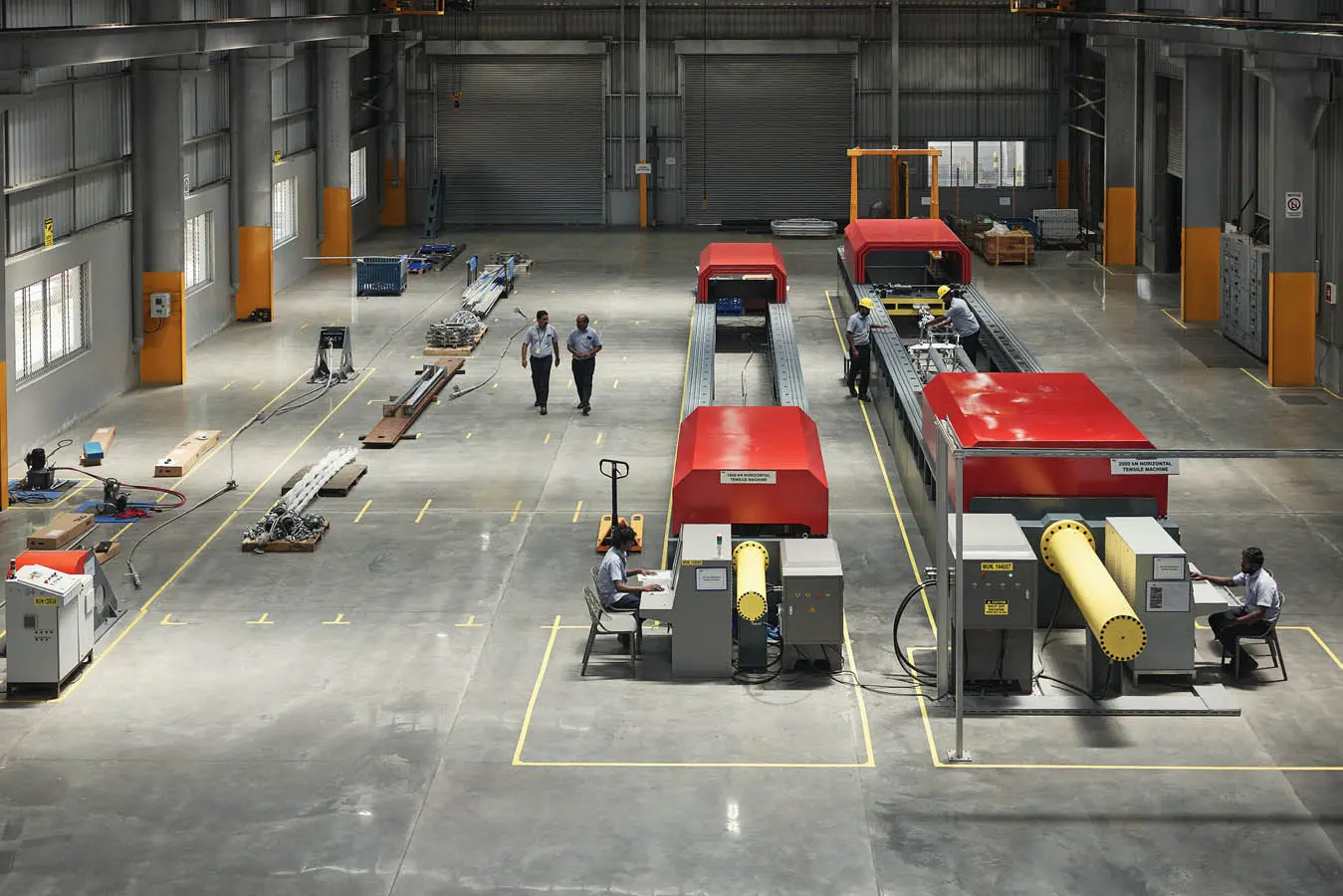
Customer witnessed acceptance testing conducted across our in house test facilities: mechanical test beds, dynamic characteristics, fatigue, thermal cycle, corona and RIV, slip strength, and chemical and coating verification.
Built to Recognise Standards
Our processes, products and laboratory are certified and accredited by national and international bodies.

Quality Management System

Environmental Management System

Occupational Health & Safety Management System

Products designed and tested as Per International standards.

Products certified as per applicable India standards

Our laboratory is accredited for a wide range of tests.